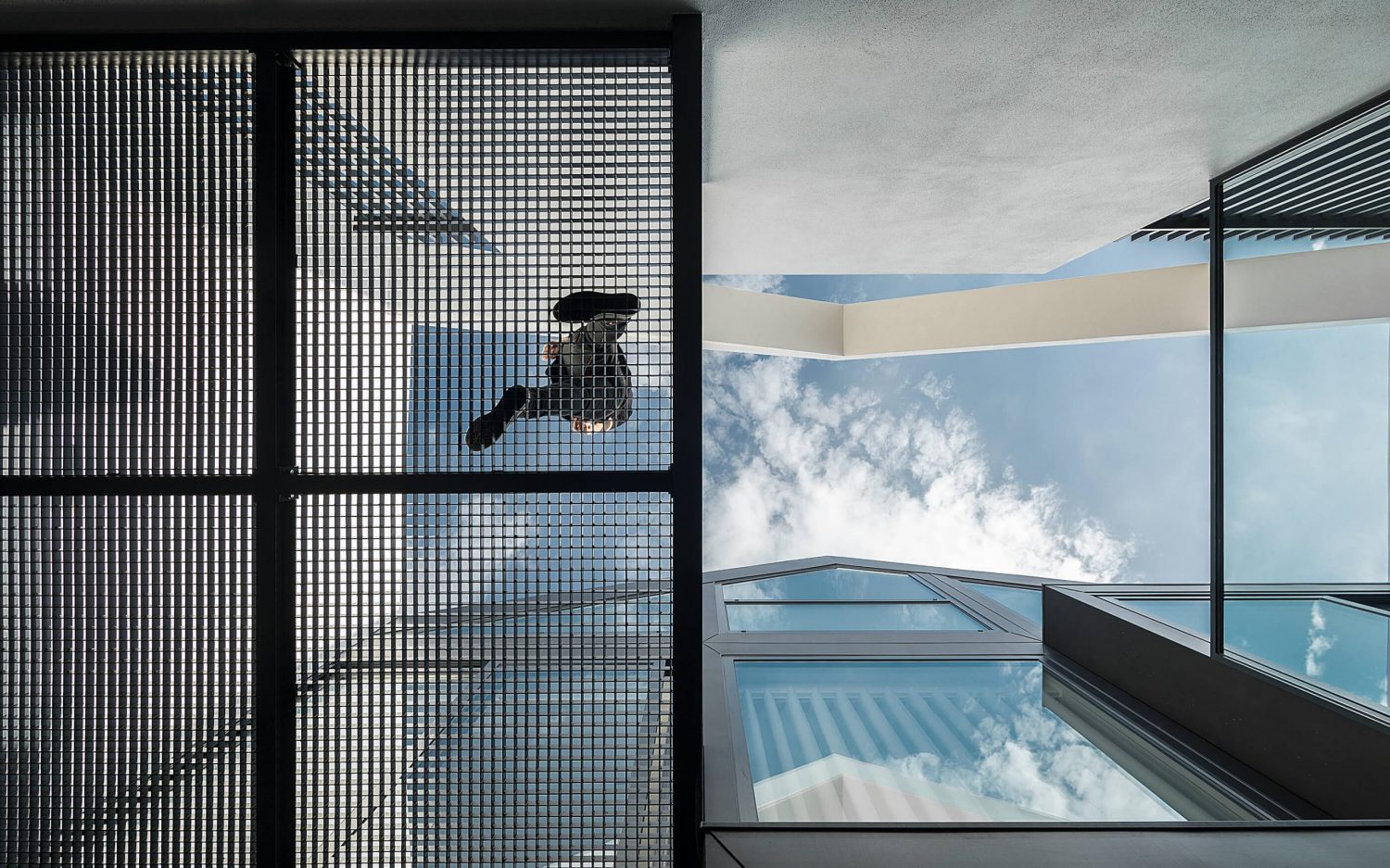

Type of Work: Construction of a Mental Health Clinic
Client: PSIANIMA 2 – Centro de Estimulação Consulta Psicológica de Aveiro, Lda.
Location: Aveiro, Portugal
Status: Construction work
Project Author: Maria Fradinho
Arquitecture Licensing Team: Sara Garcia, Daniel Antunes
Arquitecture Execution Team: Sara Garcia, Daniel Antunes
Specialties: Pedro Tavares
3D: Alan Costa
Project Date: 2025
Construction Date: 2026 – ongoing
Land Area: 221 m2
Implantation Area: 218,5 m2
Gross Construction Area: 646 m2
Photography: –


Anima began as a design based on a pre-existing structure on the site, a late 19th-century building with a section of the Aveiro Wall incorporated into it, which led to a two-volume solution, separating and revealing the space intended for the archaeological “find”.
However, archaeological excavations brought a decisive change, as it was proven that the wall is not original, but rather a composition made in “modern times”, resting on concrete beams.
This fact, led to a complete reformulation of the project’s premises, abandoning the previous proposal to make way for a new solution for the Anima Mental Health Clinic, designed from scratch.
The project still has four floors, but its gross area has been increased (occupying the previously uncovered courtyard) and it has now only one built volume, completely reformulating its image and programmatic distribution.

The Anima II project features facades whose rhythm and relief, which give them shape and prominence, reflect the structural metrics of slabs and beams.
This movement, gives a modular and crafted look, achieved through the use of colored ETICS cladding of varying thicknesses, giving the building a harmonious appearance while ensuring optimal thermal comfort.
The color chosen was terracotta, in two shades, one more reddish for the protruding structure, and another more brownish for the recessed facade panels. This chromatic difference, helps in reading the advances and recesses of the facade elements, giving greater lightness and richness to the whole.

The rhythm created by the strategically designed openings, mimics the conventionality and proportion of the local facades, through a play of open and closed spaces that respects the scale of the neighboring buildings, ensuring that the building blends in with the urban center.
The relief and color movements of the facades, give the building and its surroundings a cheerful air, and convey a clear and assertive message for the use in question: life deserves to be lived with lightness and excitement!
Inside, light and bright tones are used to create a calm and serene environment, while also encouraging silence and introspection.
The entrance hall features light-colored ceramic tiles, ensuring greater durability of the flooring, which then changes to wood in the therapy rooms, to give a feeling of warmth, as if we were “at home”.
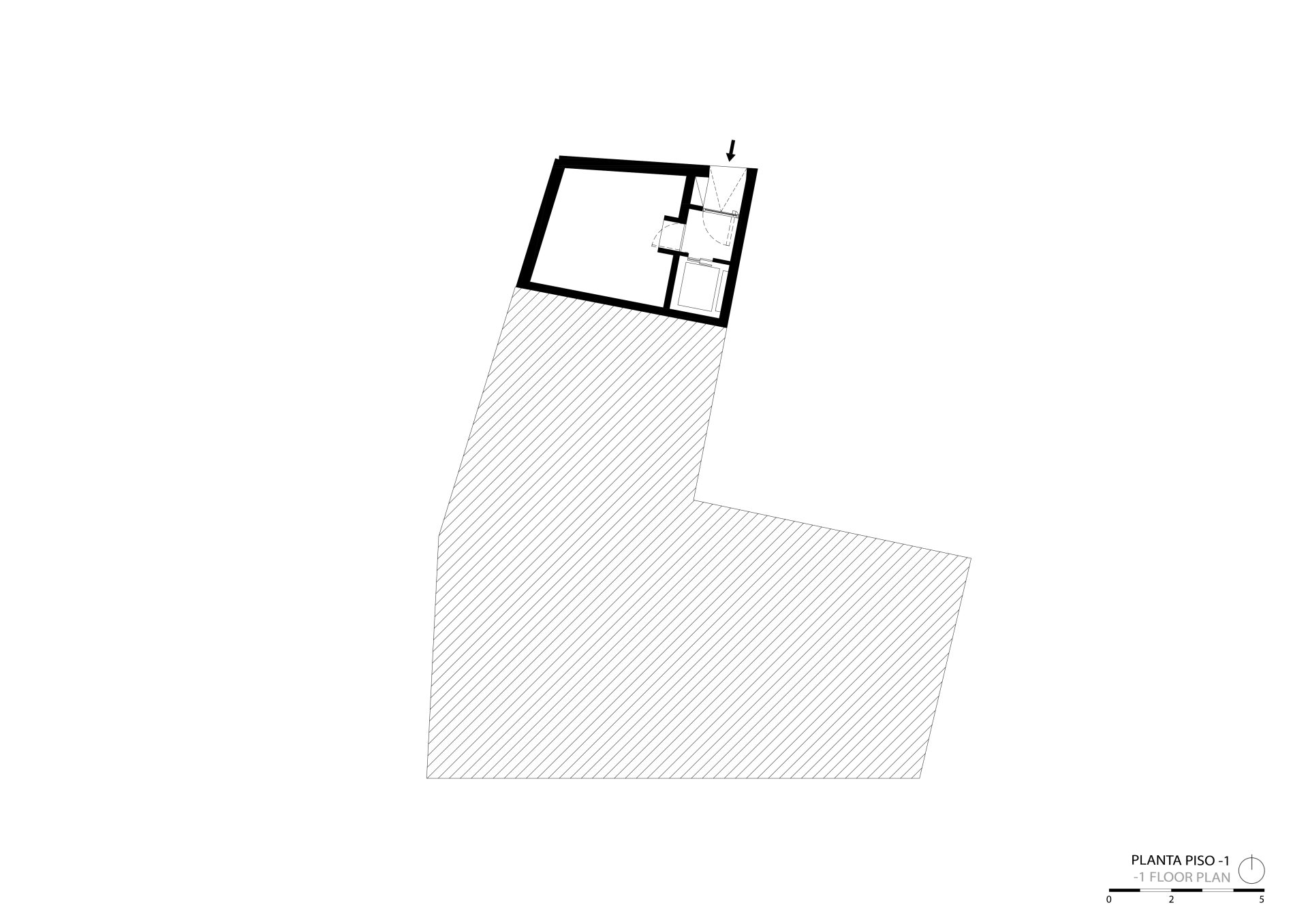
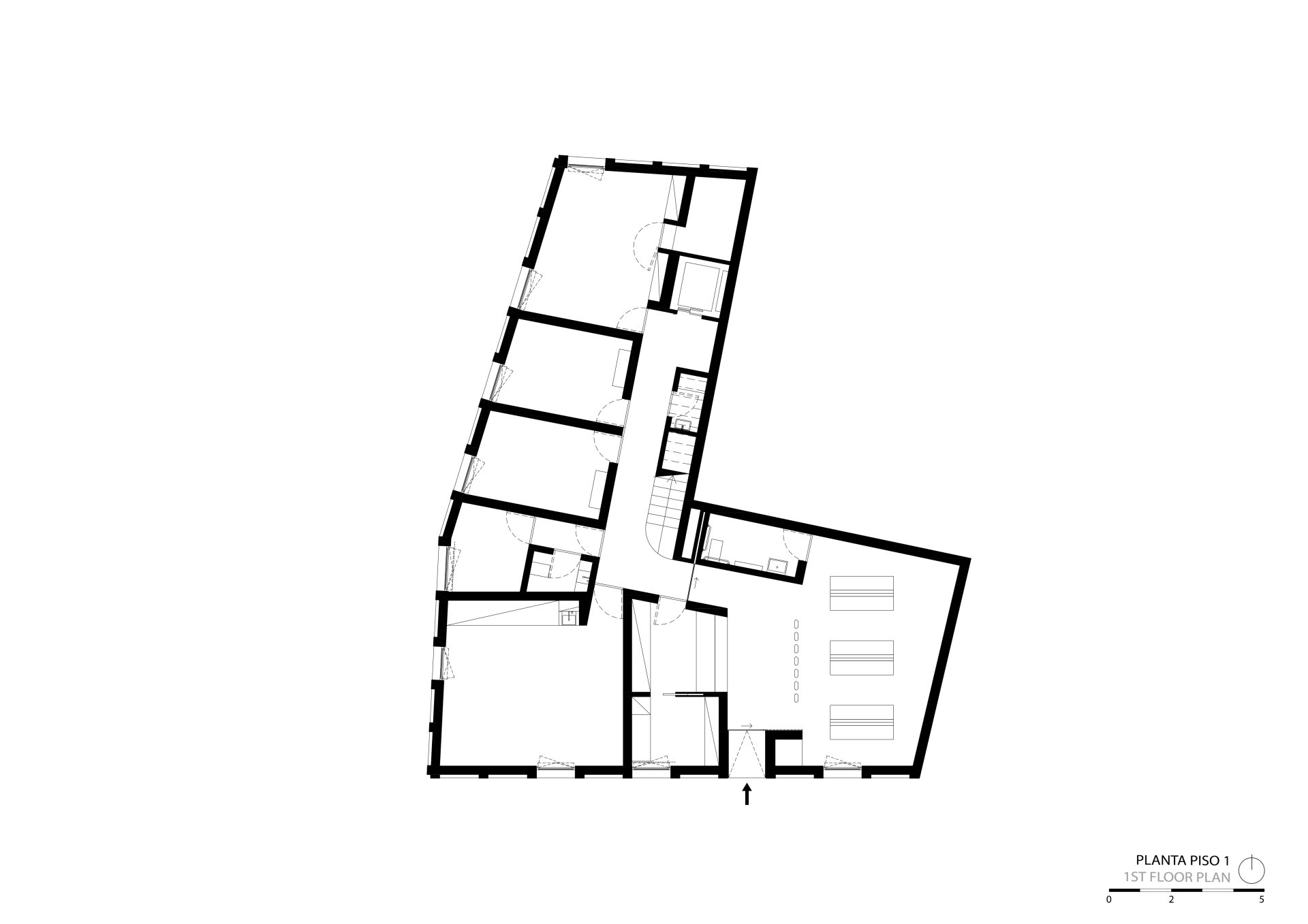
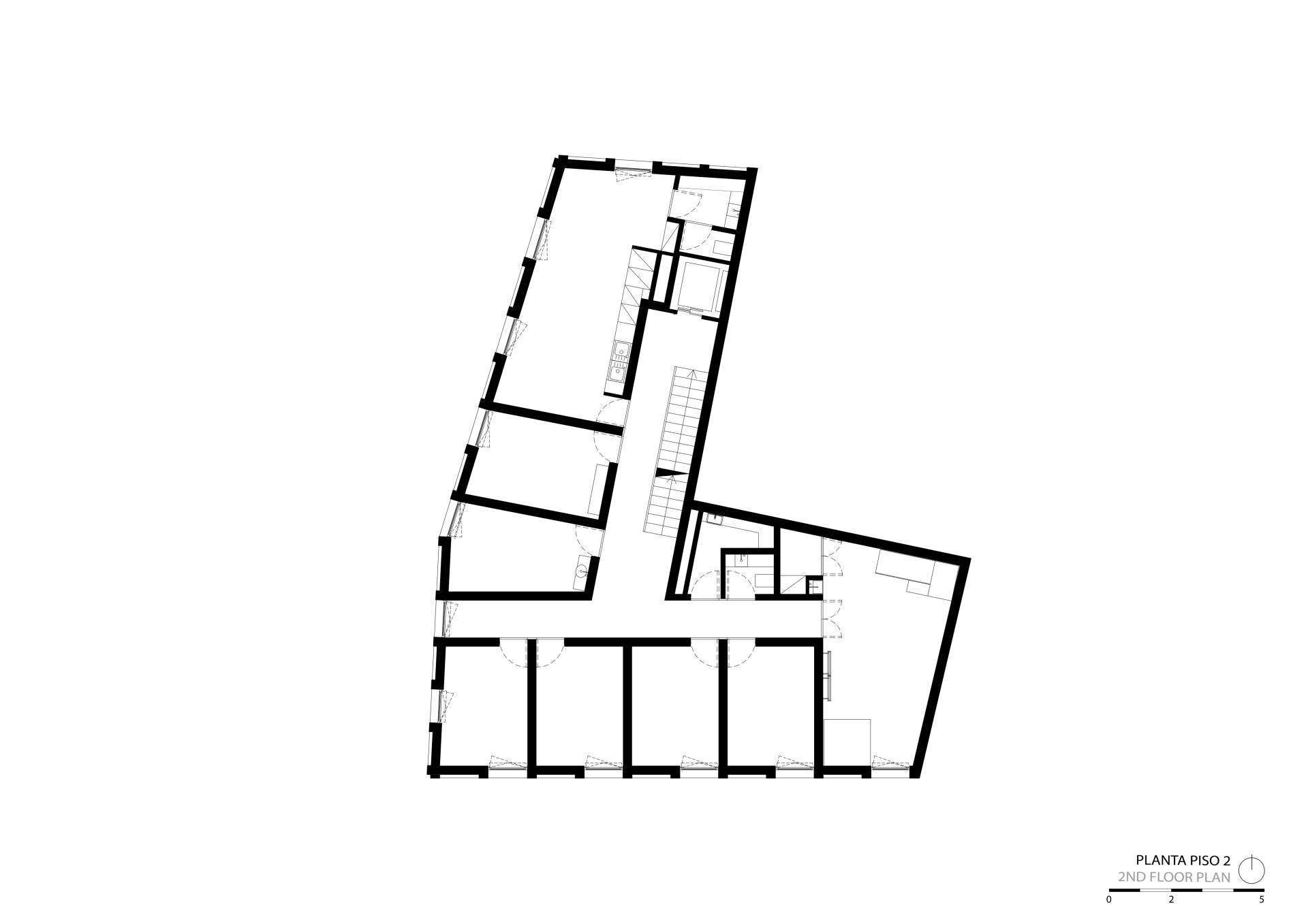
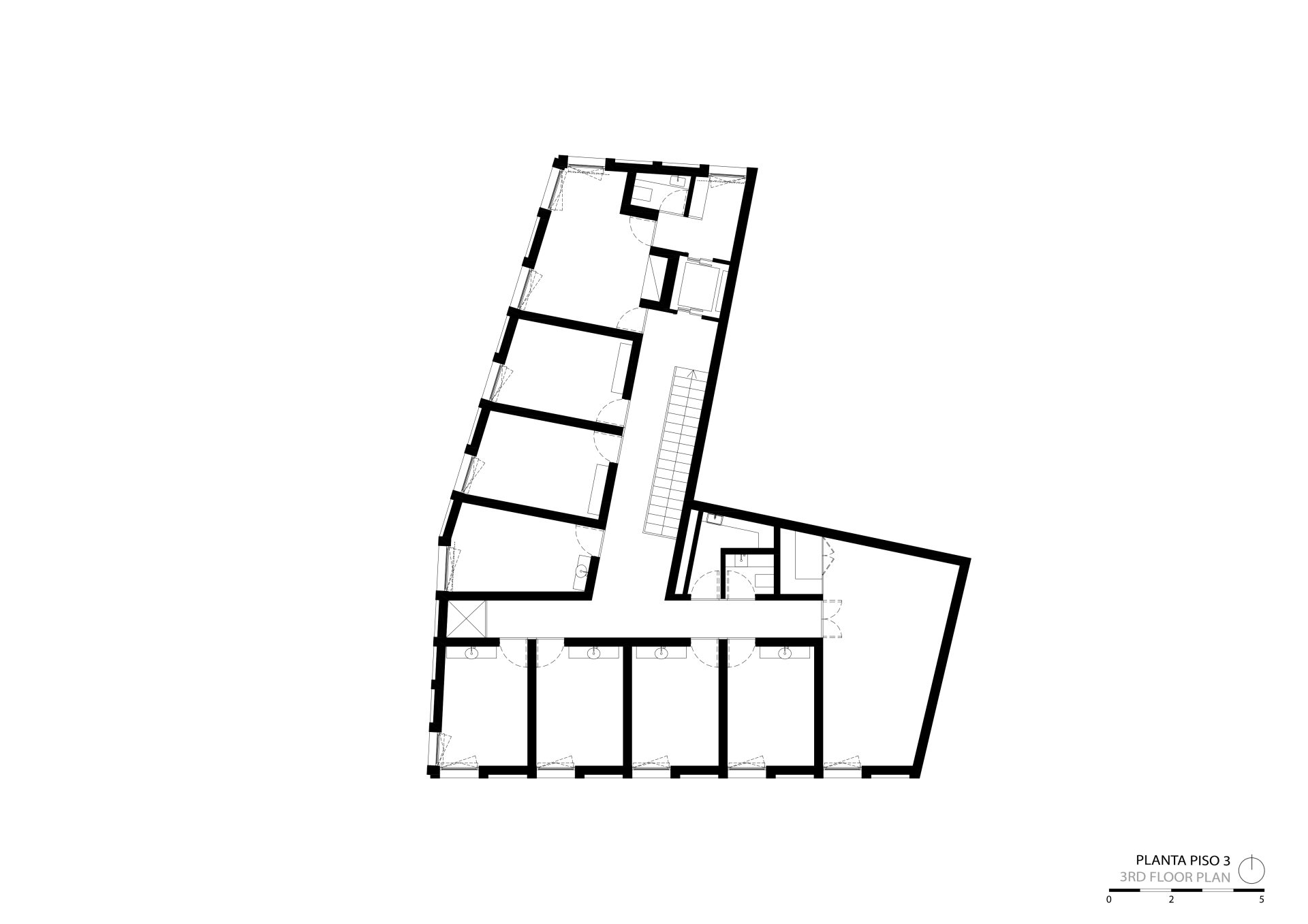
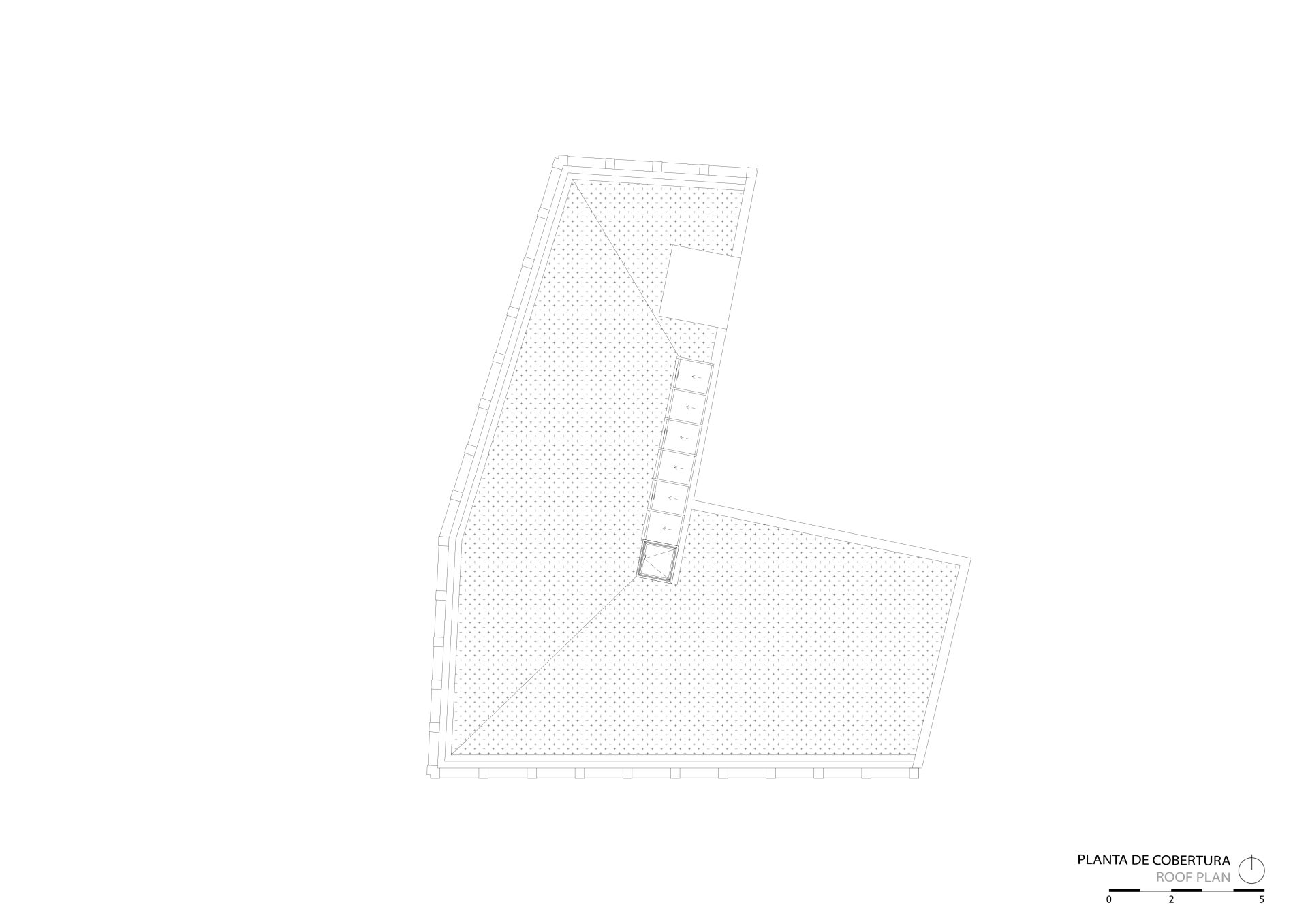
In an efficient spatial distribution, the therapy rooms ensure a functional, and comfortable, layout. Intelligible mobility was ensured between spaces, for everyone, so that access to all rooms is easily understandable.
This building was carefully designed from the ground up, to be a “home” for the treatment of our all-important mental health.