

Tipo de Obra: Construção de Clínica de Saúde Mental
Cliente: PSIANIMA 2 – Centro de Estimulação Consulta Psicológica de Aveiro, Lda.
Localização: Aveiro, Portugal
Estado: Em construção
Autor do Projeto: Maria Fradinho
Equipa Licenciamento Arquitetura: Sara Garcia e Daniel Antunes
Equipa Execução Arquitetura: Sara Garcia e Daniel Antunes
Especialidades: Pedro Tavares
3D: Alan Costa
Data de Projeto: 2025
Data de Construção: 2026 – a decorrer
Área do Terreno: 221 m2
Área de Implantação: 119 m2
Área Bruta de Construção: 646 m2
Fotografia: –


O Anima começou por ser desenhado a partir de uma pré-existência no terreno, um edifício de finais do século XIX com uma parcela da Muralha de Aveiro nele inserida, que motivou uma solução em dois volumes, separando e revelando o espaço destinado ao “achado” arqueológico.
Mas as escavações arqueológicas trouxeram uma mudança decisiva, já que se comprovou que a muralha não é original, mas sim uma composição feita em “época moderna”, assente sobre viga de betão.
Tal facto veio motivar uma total reformulação das premissas de projeto, abandonando a anterior proposta para dar lugar a uma nova solução para a Clínica de Saúde Mental Anima, pensada de raiz.
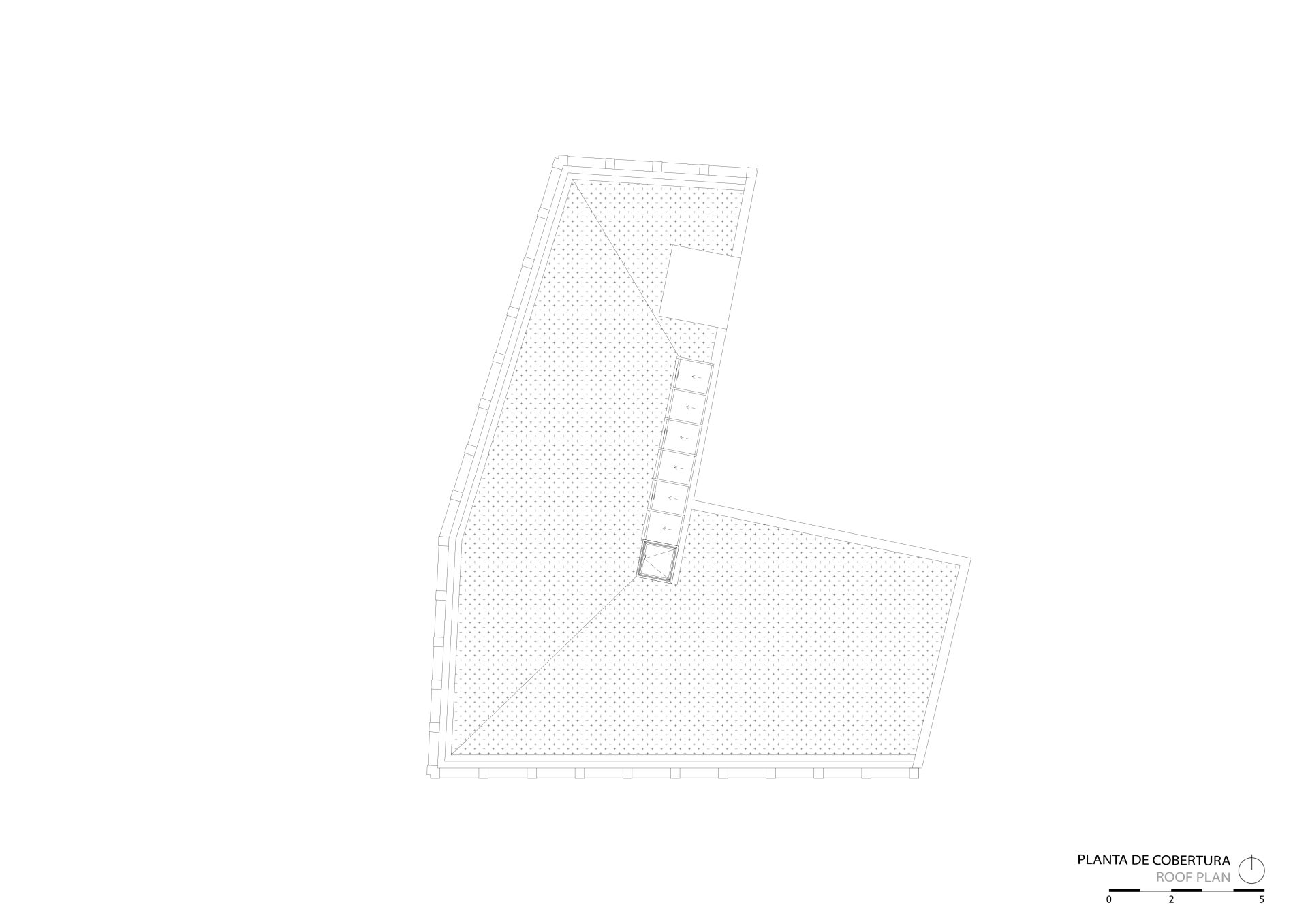
O projeto segue com 4 pisos, mas aumenta a sua área bruta (ocupando o pátio anteriormente descoberto) e admite então apenas um volume edificado, reformulando por completo a sua imagem e distribuição programática.

O projeto Anima II apresenta-se com fachadas onde o ritmo e o relevo que lhes dá forma, e realce, reflete a métrica estrutural das lajes e vigas.
Este movimento atribui uma imagem modular, e trabalhada, através do revestimento a sistema ETICS colorido com diferentes espessuras, atribuindo uma imagem harmoniosa ao edifício, ao mesmo tempo em que garante a otimização do seu conforto térmico.
A cor escolhida foi a terracota, em dois tons, um mais avermelhado, para a estrutura saliente, e outro mais acastanhado, para os painéis de fachada recuados. Esta diferença cromática ajuda na leitura de avanços e recuos dos elementos de fachada, atribuindo maior leveza e riqueza ao conjunto.

O ritmo adquirido pelas aberturas estrategicamente desenhadas é um gesto que mimetiza a convencionalidade e proporção dos vãos das fachadas locais, através de um jogo de aberto e fechado, que respeita a escala dos vãos dos edifícios vizinhos, fazendo a adequada inserção paisagística à realizada daquele centro urbano.
Os movimentos de relevo e cor das fachadas atribuem um ar alegre ao edifício, e ao seu entorno, e pressupõem uma mensagem clara e assertiva para o uso em questão: a vida merece ser levada com leveza e animação!
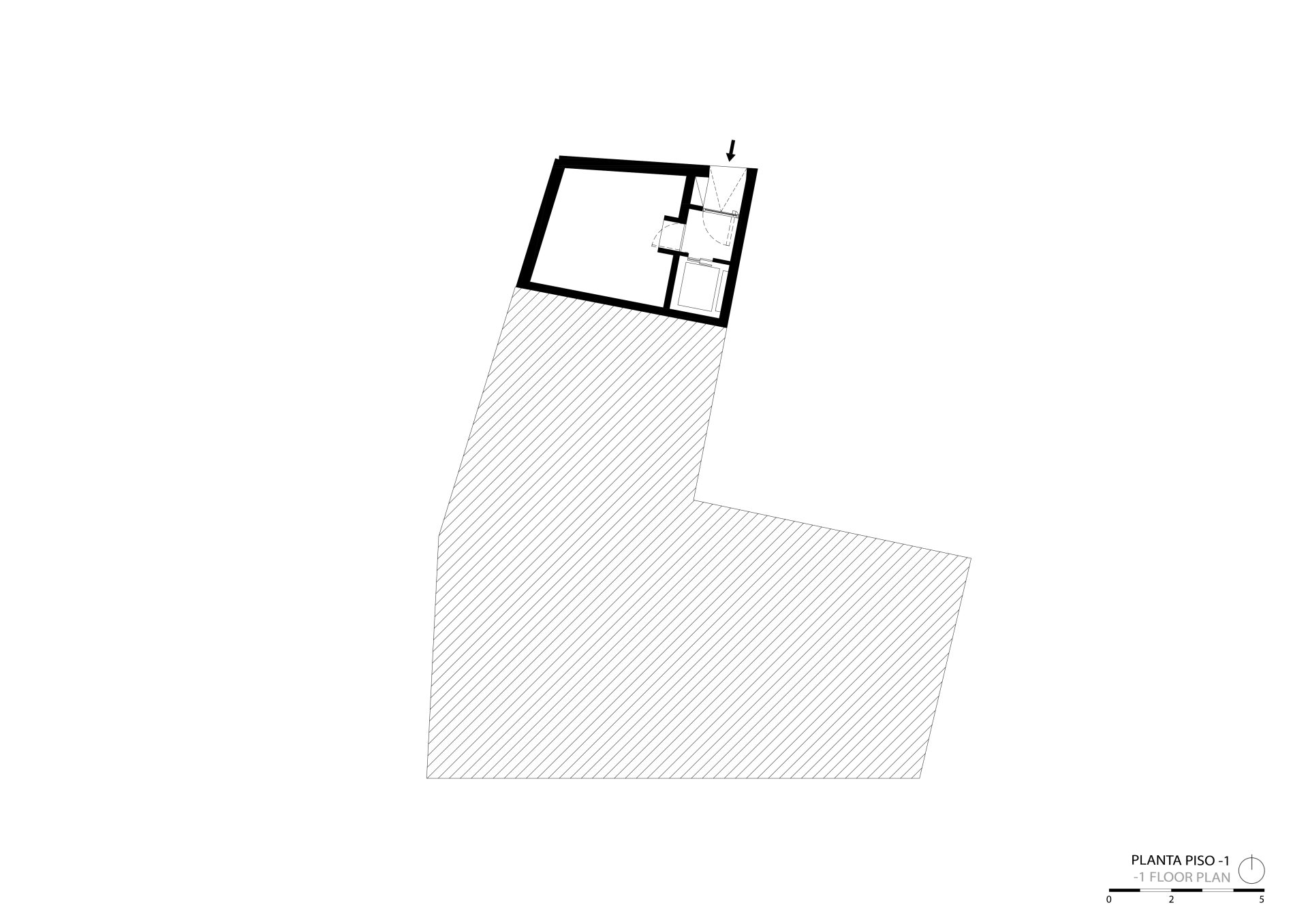
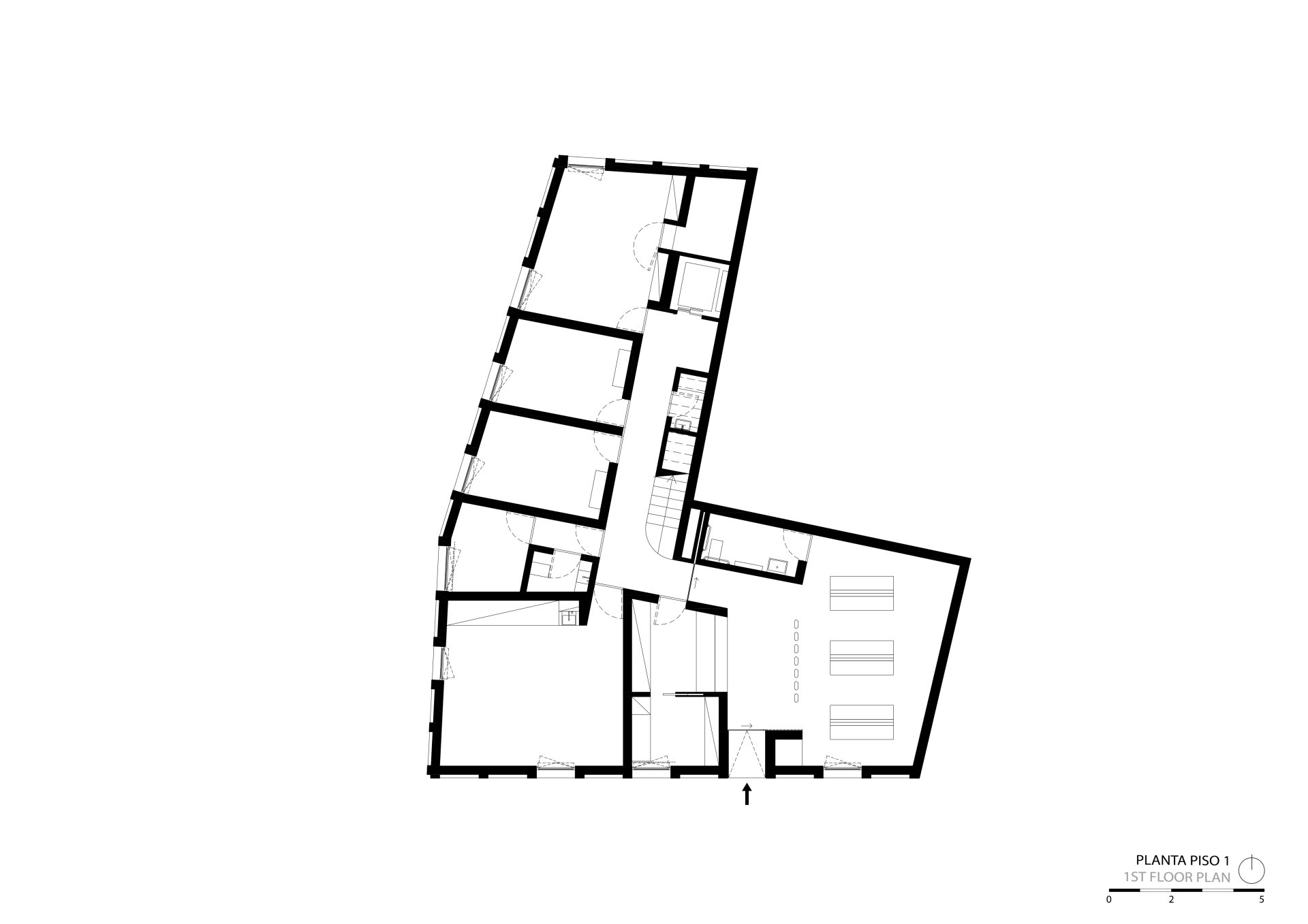
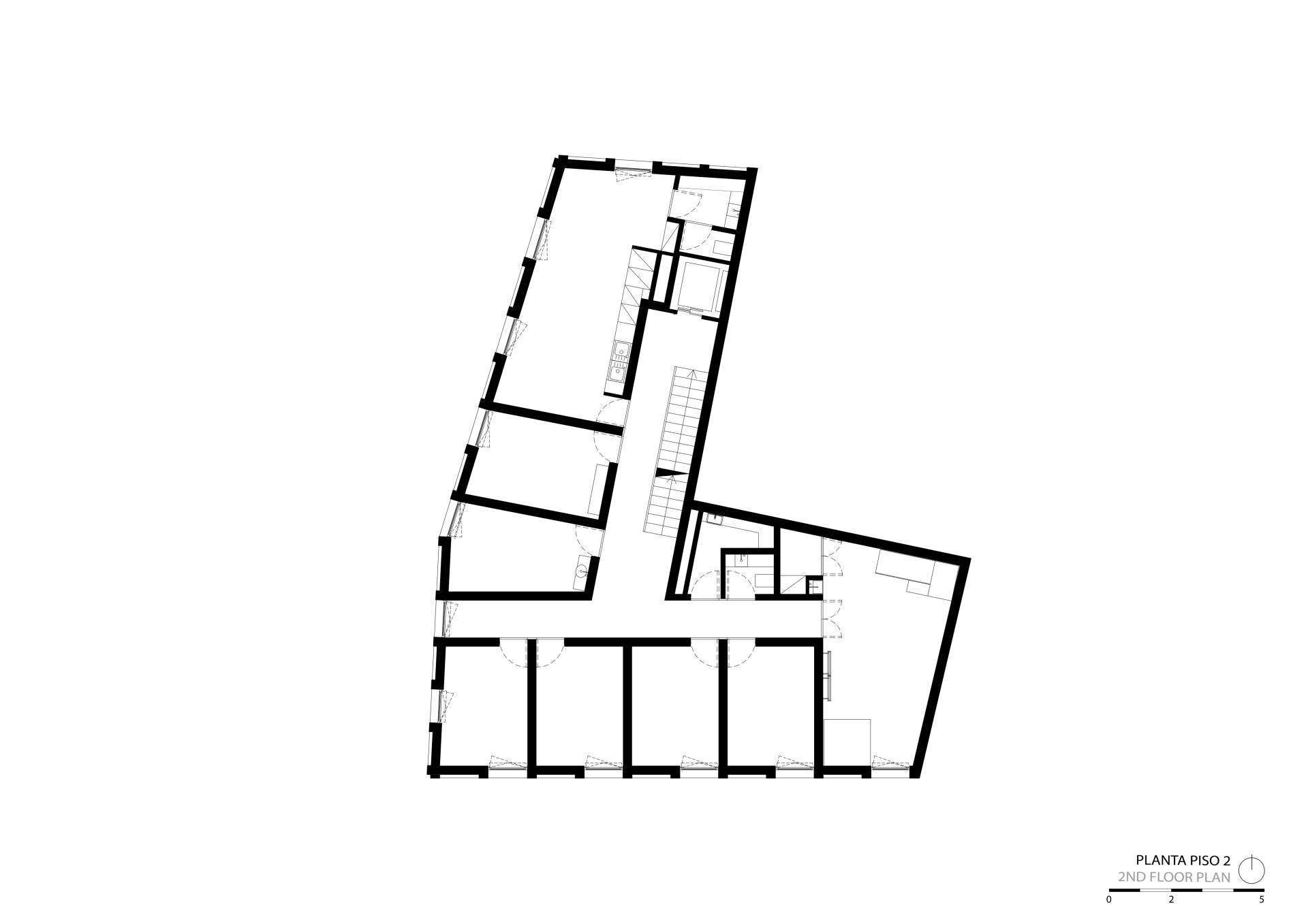
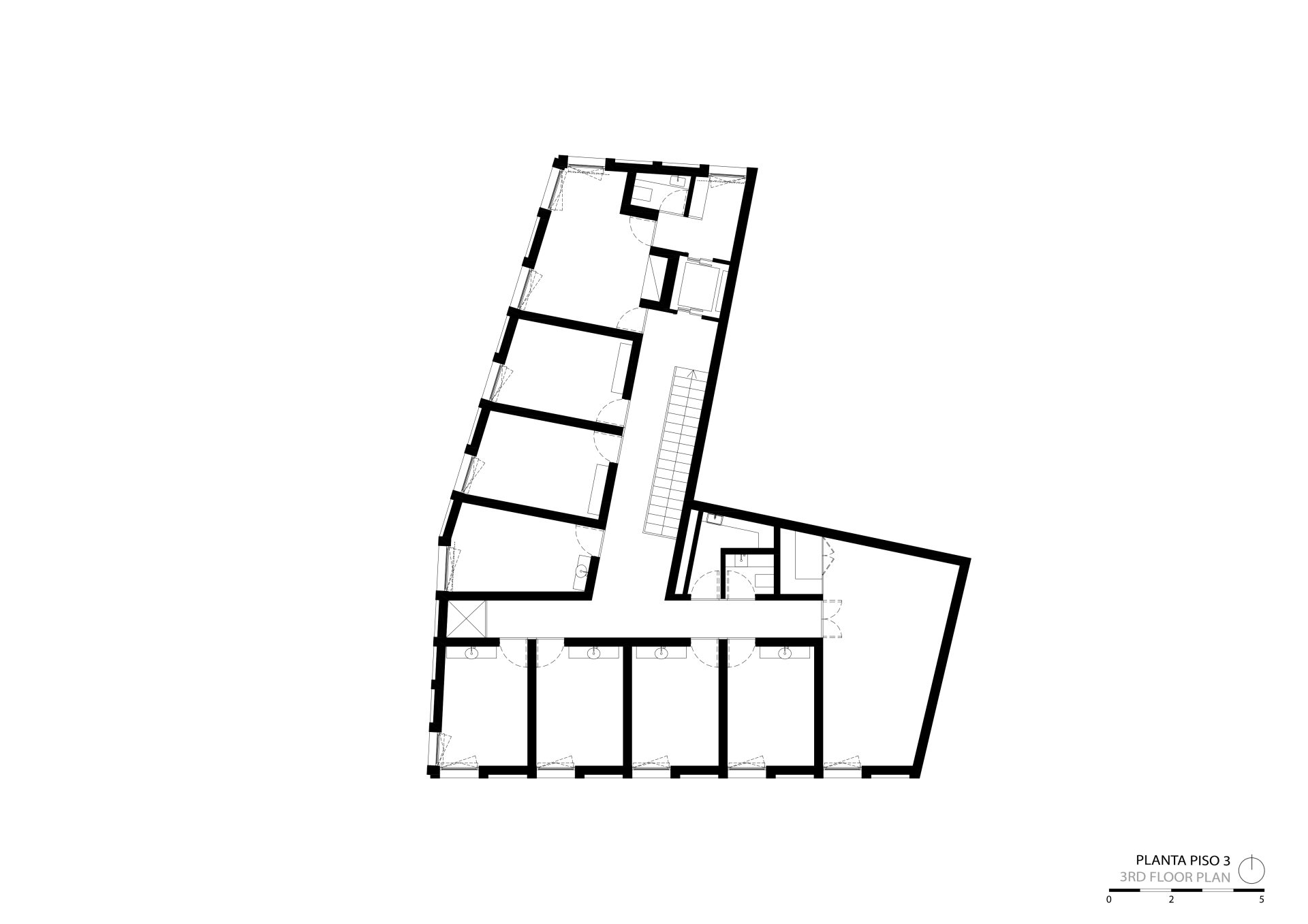
Já nos interiores, os tons leves e claros ganham expressão, para garantir um ambiente calmo e sereno, ao mesmo tempo em que apelam ao silêncio e à introspeção.
O hall de entrada admite materialidade cerâmica de tom claro, garantindo maior durabilidade do revestimento, que depois se converte em madeira nos pisos das salas de terapia, para atribuir sensação de aconchego, como se estivéssemos “em casa”.
Num jogo de distribuição espacial eficiente, as salas de terapia garantem uma lógica funcional e confortável. Entre os espaços foi assegurada uma mobilidade inteligível para todos, de forma a que seja facilmente compreensível o acesso a todos os compartimentos.
Este edifício foi pensado de raiz com todo o cuidado, para que se figure numa “casa” para o tratamento da nossa tão importante saúde mental.